Why Your Fort Worth Vehicle’s Paint Looks Dull
Does your vehicle look clean in the driveway but still appear hazy, scratched, or covered in spider-web lines when the sun hits it? In Fort Worth, Texas, intense sunlight, road dust, hard-water spotting, automatic car washes, and daily freeway driving can make paint lose its clarity faster than many owners expect.
Paint correction is the controlled process of refining the clear coat to reduce visible defects such as swirl marks, oxidation, water spots, and light scratches. It is not simply applying wax or using a stronger soap. The result depends on accurate inspection, safe washing, paint-thickness awareness, and choosing the least aggressive polishing method that produces a meaningful improvement.
At Upper Echelon Auto Detailing, our team works with vehicles throughout Fort Worth and nearby communities including Arlington Heights, Benbrook, Downtown Fort Worth, Keller, Mansfield, North Richland Hills, Southlake, and Trophy Club. We invite customers to review our current ratings, years of experience, and license information directly with our team because those details can change over time. Our standard is simple: Exceptional Finish. Every Time.
Start With Safer Washing, Not Stronger Abrasives
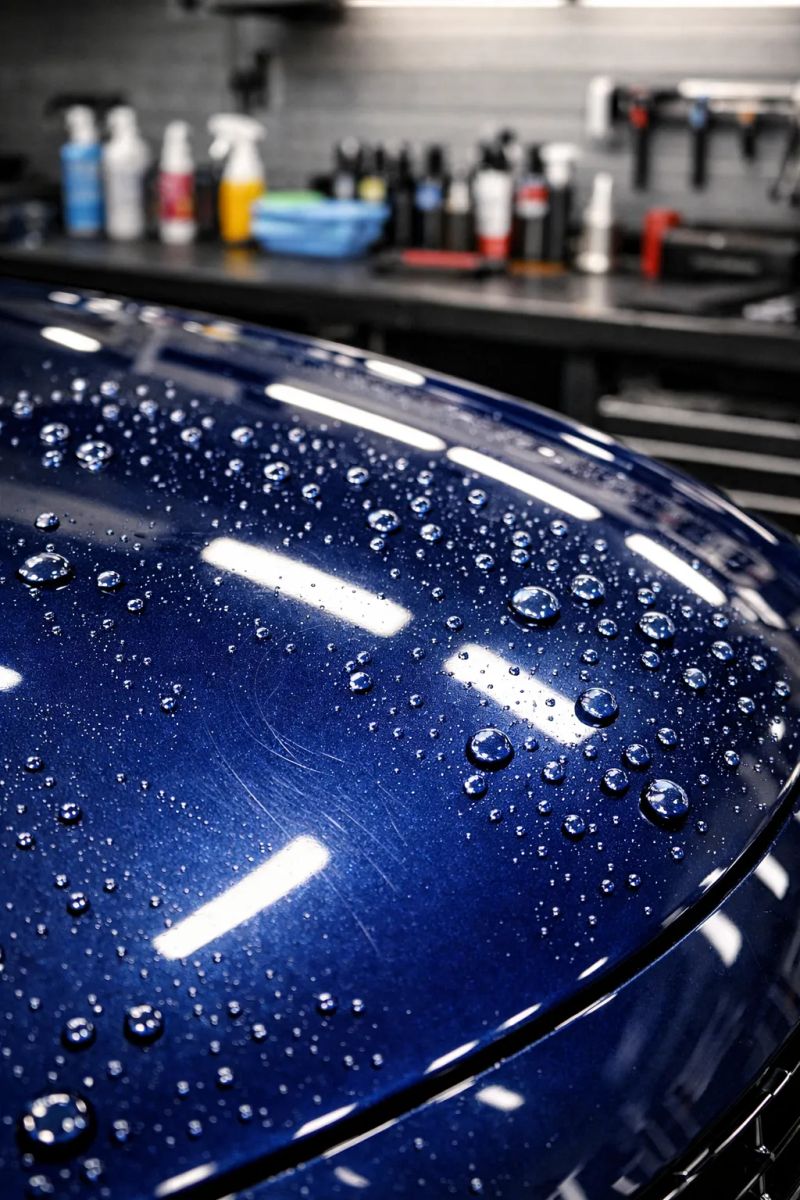
Most paint defects are created during washing and drying. A dirty mitt, a single bucket, or a towel that has touched the wheels can drag abrasive grit across the clear coat. Before considering machine polishing, improve the routine that may be causing the damage in the first place.
Use a pH-balanced automotive shampoo, separate wash media for wheels and paint, and the two-bucket method with grit guards. Rinse the vehicle thoroughly before touching it, work from the roof downward, and use straight passes rather than circular scrubbing. Dry with a clean, plush microfiber towel or a filtered air blower instead of allowing mineral-heavy Fort Worth water to evaporate on the surface.
If the paint already has heavy swirls or bonded contamination, our paint correction service begins with an inspection rather than a one-size-fits-all compound. That helps us protect the clear coat while targeting the defects that are actually visible.
Paint Correction Tips for Fort Worth, Texas Conditions
Fort Worth’s climate creates a specific set of challenges. Heat makes products flash quickly, spring pollen settles into crevices, summer storms leave minerals behind, and road film can bond to the lower panels. These steps help preserve gloss between professional appointments:
- Wash in the shade: A cool panel gives shampoo, iron remover, and drying products more working time.
- Rinse before contact washing: Loose dust should be removed before a mitt ever reaches the paint.
- Decontaminate periodically: Tar, rail dust, overspray, and industrial fallout can remain after a normal wash. Use a clay towel or clay bar carefully and only after chemical decontamination.
- Treat water spots early: Fresh mineral deposits are easier to remove than etched spots that have been baked into the clear coat.
- Protect the finish: A quality sealant, wax, or ceramic coating reduces how strongly dirt and minerals bond, but no protection eliminates the need for washing.
- Use clean microfiber: Retire towels that feel rough, contain dried product, or have been used on wheels.
How We Evaluate Swirl Marks and Scratches
Not every mark should be polished aggressively. During an inspection, we use focused lighting and multiple viewing angles to determine whether a defect is in the clear coat, paint layer, or deeper. A scratch that catches a fingernail may be too deep for complete removal without risking the finish; in that case, responsible correction means improving its appearance rather than chasing perfection.
Our general process is methodical:
- Inspect the vehicle: We note paint hardness, previous repairs, oxidation, repainted panels, trim, and existing protection.
- Wash and decontaminate: Polishing over grit or bonded contamination can create additional defects.
- Test a small area: We start with a mild pad and polish combination to see how the paint responds.
- Refine only as needed: If the test area needs more correction, we adjust the pad, polish, machine, or number of passes instead of automatically using the strongest compound.
- Check the work: We wipe away polishing oils and inspect under proper lighting before moving through the rest of the vehicle.
- Protect the result: The corrected paint should receive a suitable sealant, coating, or other protection based on how the vehicle is used.
When DIY Paint Correction Makes Sense—and When It Does Not
A dual-action polisher can be a useful tool for an experienced enthusiast, especially on a test panel with mild defects. However, correction involves more than moving a machine across the hood. Excessive pressure, a contaminated pad, dried compound, sharp body lines, or repeated passes on a thin panel can create haze, pigtails, edge burn, or unnecessary clear-coat removal.
DIY work is more reasonable when the vehicle has healthy paint, defects are light, and you are willing to accept improvement rather than complete removal. Avoid practicing first on a valuable classic, freshly repainted panel, black vehicle, or car with unknown paint history. Never use household polish, abrasive kitchen products, or a rotary machine without proper training.
For severe oxidation, dealership wash damage, etched water spots, or a vehicle being prepared for sale, professional evaluation usually saves time and reduces risk. In our many years of experience, the best correction jobs are not the ones that remove the most material; they are the ones that create the greatest visual improvement while preserving future polishing ability.
Choosing Protection After Paint Correction in Fort Worth
Correction improves the surface, but it does not permanently prevent new damage. Owners who park outdoors or drive frequently around Fort Worth often benefit from adding protection immediately after polishing. A professional ceramic coating can make maintenance washing easier and provide durable resistance against environmental contamination, while a sealant or wax may be a practical choice for a shorter ownership period or tighter budget.
Protection works best when the paint is properly prepared. Applying a coating over polishing oils, leftover mineral deposits, or uncorrected contamination can reduce bonding and compromise the finish. Ask for realistic maintenance requirements, expected durability, curing time, and aftercare instructions—not just a promise that the vehicle will stay scratch-free.
For routine maintenance between larger corrections, our express services can help keep the finish presentable without repeating a full correction each time. Customers in Southlake, Trophy Club, Keller, and North Richland Hills often schedule maintenance around travel, work, or seasonal weather rather than waiting until the paint becomes heavily neglected.
The Goal Is Clarity, Gloss, and Preserved Paint
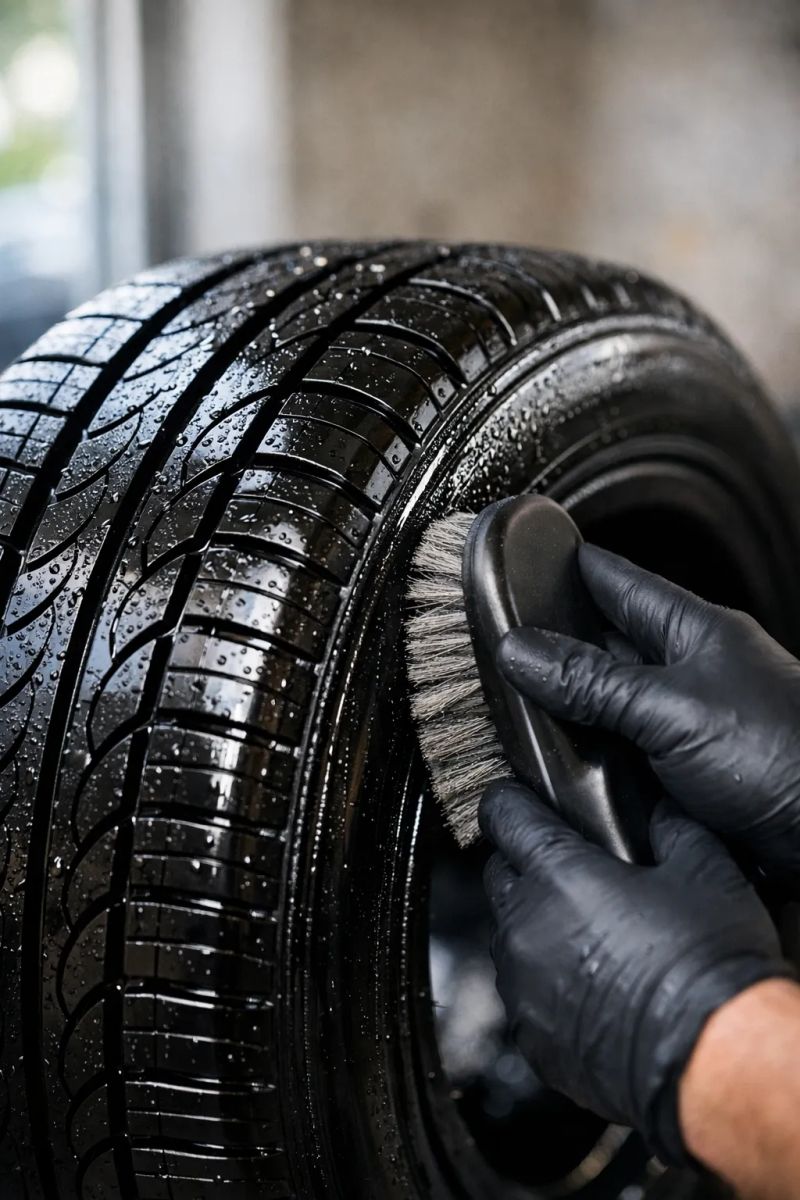
A successful correction should make the vehicle look sharper in ordinary daylight, not just under a detailing light. We pay close attention to panel consistency, remaining defects, trim protection, edges, badges, and areas that are easy to miss—especially on dark paint where haze becomes obvious after the vehicle leaves the shop.
We also explain what the process can and cannot accomplish. Depending on the vehicle’s condition, a correction may take roughly one full day for a lighter enhancement or longer for multi-stage work, large SUVs, heavily oxidized finishes, or vehicles with prior repairs. A careful estimate is more useful than promising a universal percentage of defect removal.
Frequently Asked Questions
How much does paint correction cost in Fort Worth?
Pricing depends on vehicle size, paint condition, defect severity, and whether the work is a one-step enhancement or multi-stage correction. Upper Echelon Auto Detailing provides a condition-based quote after reviewing the vehicle rather than giving every Fort Worth customer the same price.
Will paint correction remove every scratch?
No. Surface-level swirls and oxidation may improve dramatically, but deep scratches that reach the color coat or metal should not be aggressively chased. We explain what can be safely improved and prioritize preserving the vehicle’s clear coat.
How long does a paint correction appointment take?
A light enhancement may take about a day, while deeper correction can require additional time for testing, multiple polishing stages, and inspection. We account for vehicle size, contamination, prior repairs, and Fort Worth weather conditions when setting expectations.
Can I wash my car after paint correction?
Yes, but the timing and method depend on the protection applied afterward. We provide specific aftercare instructions, including when to wash, which products to use, and how to avoid reintroducing swirls through towels or automatic brushes.
Do you serve areas outside central Fort Worth?
Yes. Our service area includes Arlington Heights, Benbrook, Downtown Fort Worth, Keller, Mansfield, North Richland Hills, Southlake, and Trophy Club. Contact our team to confirm availability for your address and vehicle.